

In today’s dynamic world, the term startup has evolved from a mere buzzword into a symbol of innovation, resilience, and economic transformation. Startups are no longer just small ventures with big dreams—they have become pivotal forces driving employment, technology adoption, and socioeconomic growth across nations.
From Tradition to Transformation
In the pre-independence era, India’s economy leaned heavily on agriculture, which employed nearly 85% of the population and contributed half of the national income. Alongside, small-scale industries and cotton mills thrived, engaging around 40% of the workforce. Despite their vast contributions, systemic challenges—outdated methods, labor unrest, inflation, and lack of infrastructure—gradually led to their decline.
This decline sparked a new wave of thought among India’s youth: a vision to create, innovate, and solve real-world problems. Out of this necessity emerged the concept of the startup.
What Defines a Startup?
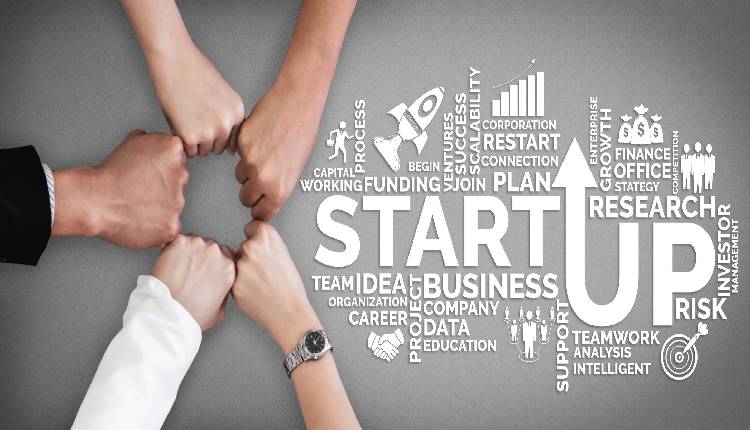
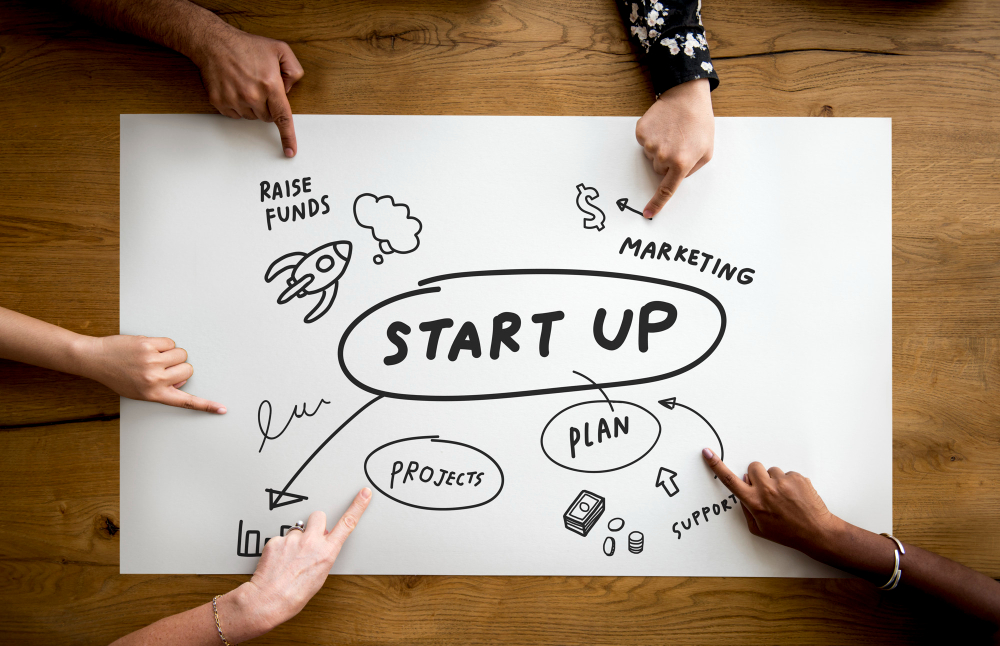
At its core, a startup is a newly formed venture with a small, passionate team, limited resources, and a bold idea. What makes startups distinct is their DNA:
- Innovation – disrupting the status quo with new solutions.
- Rapid growth potential – scaling faster than traditional businesses.
- Societal impact – solving real challenges faced by individuals and communities.
From agriculture technology and fintech to FMCG and lifestyle platforms, startups today are reshaping industries and redefining how economies function.
Startups as Engines of Employment
One of the most significant contributions of startups is their role in employment generation. Every startup begins with self-employment, expanding into teams that create jobs for young professionals. With 112 million youth in India between the ages of 20 and 24, startups act as powerful avenues for career growth in the absence of sufficient government jobs.
This is reflected in the country’s growing startup ecosystem: 77,000 DPIIT-recognized startups across 656 districts—a testament to the entrepreneurial spirit driving India’s economic engine.
Beyond Jobs: Supporting Global Enterprises
Startups also play an indirect role in strengthening multinational corporations (MNCs). Many provide B2B services, allowing larger enterprises to outsource auxiliary functions and focus on core strategies. This symbiotic relationship not only elevates startups but also enhances the overall business ecosystem.
Why India Became a Startup Hotspot
India’s startup boom is not an accident—it’s the result of deliberate policies, cultural shifts, and technological enablement:
- Government initiatives such as Startup India provide funding, mentorship, and tax benefits.
- Academic encouragement motivates students to turn ideas into ventures.
- Technology adoption has created fertile ground for digital-first businesses.
Despite global challenges like inflation and rising fuel costs, India continues to post consistent GDP growth of around 6.9% annually, with startups contributing an estimated 10–15% of the GDP, projected to touch $1 trillion by 2030.
Stories of Impact
HESA: A digital B2B platform empowering businesses to access rural markets through its vast Hesaathi network of 36,000+ members, reaching over 2 million customers.
- BharatPe: Starting in 2018 with QR-code-based payments, this fintech startup revolutionized transactions at micro and macro levels across the nation.
- These success stories underline the transformative power of innovative ideas.
- Valuing Startups: A Crucial Step
For promoters and investors, startup valuation is one of the most critical—and challenging—tasks. Common approaches include:
- Discounted Cash Flow (DCF) – assessing future cash flows with a discount rate.
- Venture Capital Method (VCM) – projecting long-term growth and working backward to present value.
- Comparable Transactions – benchmarking against industry peers.
These valuation methods ensure a balance between optimism and realism, helping both founders and investors make informed decisions.
For instance, using VCM, an investor may estimate that a fitness startup like FitNovate could be worth ₹81 lakh in five years. With a desired 15x return, present valuations are adjusted accordingly to balance opportunity and risk.
The Road Ahead
Startups embody the spark of innovation in the 21st century. Beyond being profit-making entities, they symbolize resilience, youth-led growth, and sustainable economic transformation. For companies, investors, and partners, engaging with startups is more than just business—it is a step toward shaping the future economy.
As we move forward, one thing is clear: the startup era is not just a phase—it’s a revolution.
0 Comments
No comments yet. Be the first to comment!