


In today’s business landscape, startups are more than just new companies — they are catalysts of innovation, economic growth, and industry transformation. The process of turning an idea into a thriving business is complex, but when done strategically, it unlocks value not only for founders and investors but also for clients, partners, and the broader economy.
What is Startup Development?
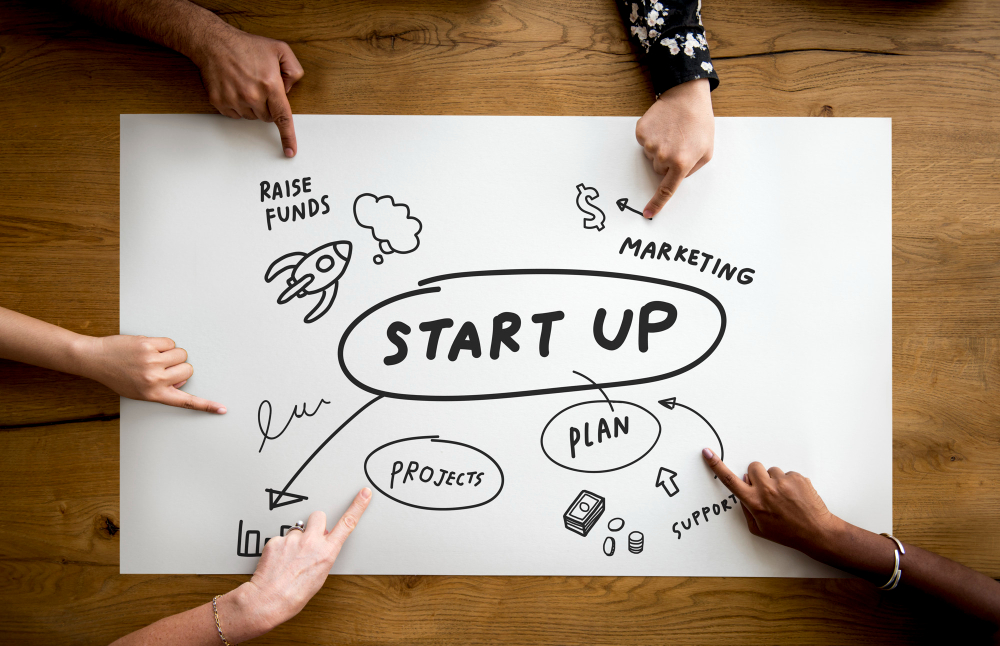
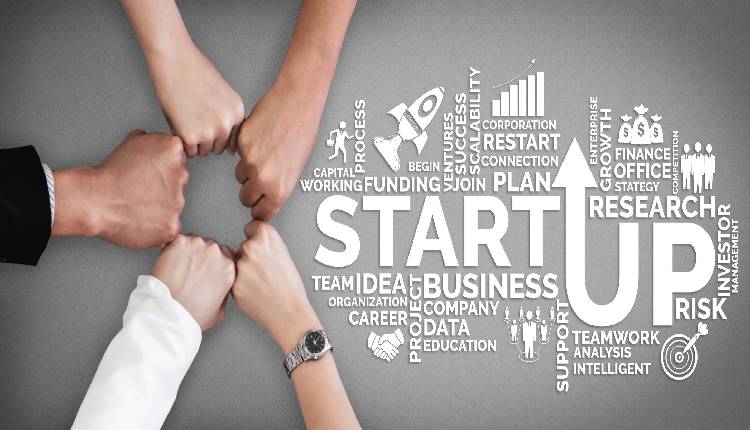
Startup development is the journey of transforming a raw idea into a sustainable business model. It begins with ideation, where concepts are refined and tested for feasibility, then moves to validation, where real-world market research and customer feedback determine the idea’s potential. From there, startups create a minimum viable product (MVP), secure funding, and launch in the market.
As the business grows, the focus shifts to scaling, optimization, and diversification — the stepping stones that define whether a startup will simply survive or truly thrive.
Why Startup Development Matters
- Transforms ideas into viable businesses – paving the way for investment and talent.
- Mitigates risks early – structured processes prevent costly missteps.
- Drives innovation – enabling companies to adapt to market shifts and customer needs.
For investors, clients, and promoters, a well-developed startup signifies reliability, foresight, and potential.
Key Stages in Startup Growth
- Identifying the Market – Understanding customer needs, analyzing competitors, and finding the niche where your business can deliver unique value.
- Crafting a Business Plan – A roadmap that defines goals, strategies, and financial projections, critical to attracting investors and guiding execution.
- Research & Development (R&D) – Turning possibilities into real products through prototyping, testing, and iterative refinement.
- Securing Funding – Choosing between bootstrapping, venture capital, angel investment, crowdfunding, or government-backed loans.
- Scaling the Startup – Expanding markets, diversifying products, and building a high-performing team.
Overcoming Common Startup Challenges
The startup journey is not without hurdles:
- Funding limitations – Managed through clear financial planning, multiple funding sources, and investor relations.
- Market competition – Addressed by continuous innovation and flexible business models.
- Operational inefficiencies – Reduced by adopting scalable processes and skilled teams.
- Talent acquisition – Overcome by building strong workplace culture and growth opportunities.
- Regulatory compliance – Navigated through expertise, guidance, and proactive planning.
Startups that can anticipate and overcome these challenges demonstrate resilience and long-term promise.
Financing Pathways for Startups
Securing capital is often the make-or-break factor for early-stage ventures. Today, startups can access multiple financial avenues:
Business loans (term loans, working capital loans, letters of credit, invoice discounting).
- Government-backed schemes such as the Credit Guarantee Fund Scheme (CGS) and the MUDRA Scheme (Sishu, Kishor, Tarun categories).
- Private investors – angel funds, venture capital, and crowdfunding platforms.
Invoice Discounting in Action
Consider a company delivering a bulk order of TVs with payment promised two months later. When a new order for washing machines arrives but cash is short, invoice discounting allows the firm to borrow against unpaid invoices, ensuring smooth operations and growth momentum.
Tax Benefits: Boosting Entrepreneurial Growth
India’s government has built a strong support system for startups through tax incentives under the Startup India initiative.
- Section 80IAC – 100% tax deduction for three years out of the first ten years of operation.
- Section 54GB – Capital gains exemptions when invested in eligible startups.
- Section 79 – Flexibility in carrying forward business losses.
These incentives not only ease financial pressure but also encourage innovation, job creation, and wealth generation.
The Road Ahead: Startups as Economic Drivers
Startups represent more than entrepreneurial spirit — they are shaping the future of industries and economies. By blending innovation with resilience, they:
Create employment opportunities.
Empower clients and businesses with fresh solutions.
Strengthen investor confidence through structured growth and compliance.
Drive national growth with measurable GDP contributions.
For companies, investors, and promoters, engaging with the startup ecosystem is both a growth opportunity and a strategic imperative.
Final Word
In the 21st century, startups are not just businesses — they are engines of transformation. Companies that align with this wave of innovation stand to gain in terms of market insights, partnerships, and long-term value creation.
The question is no longer why startups matter, but how soon you can become part of this journey.
0 Comments
No comments yet. Be the first to comment!